
5.5°C
- PM2.5
- 0 μg/m³
- PM10
- 0 μg/m³
- Humidity
- 66%
Air: Good
No smoke detected
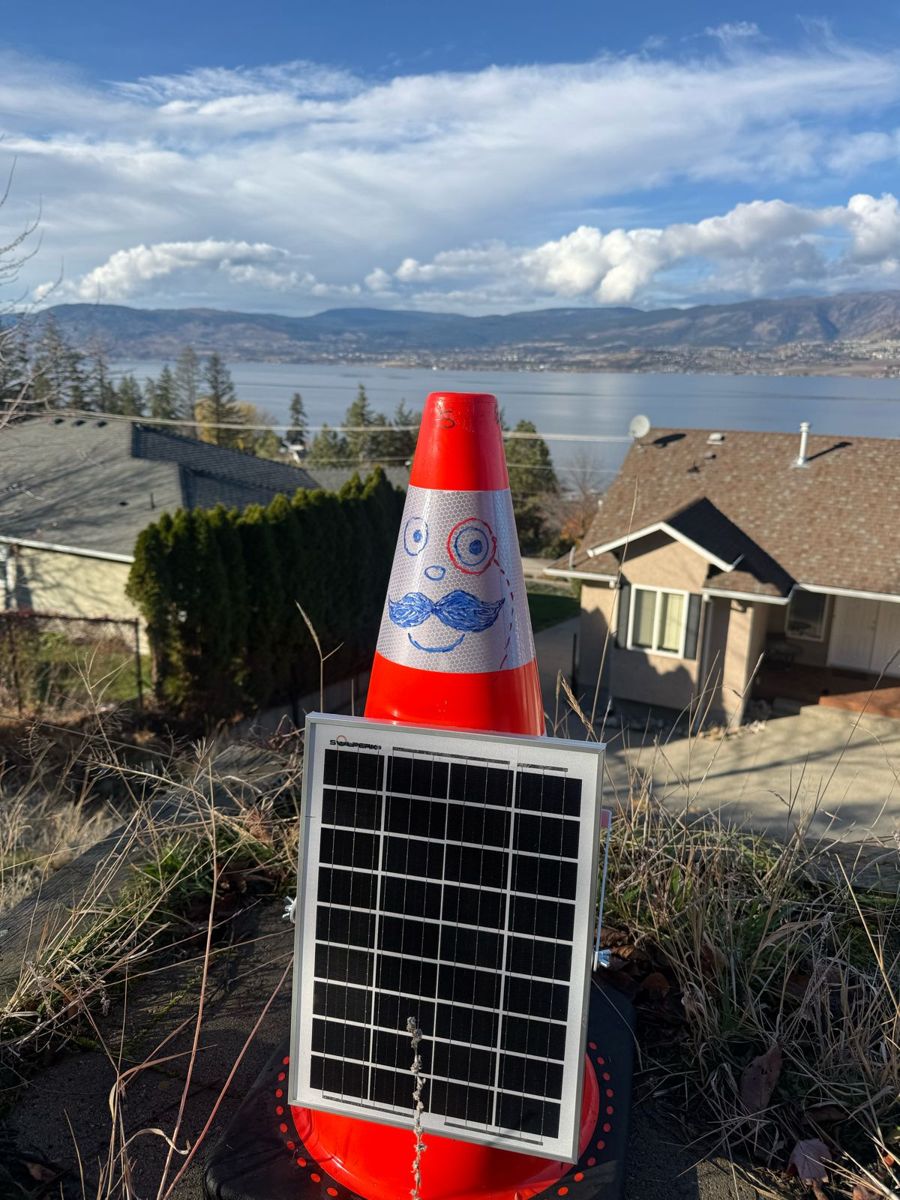
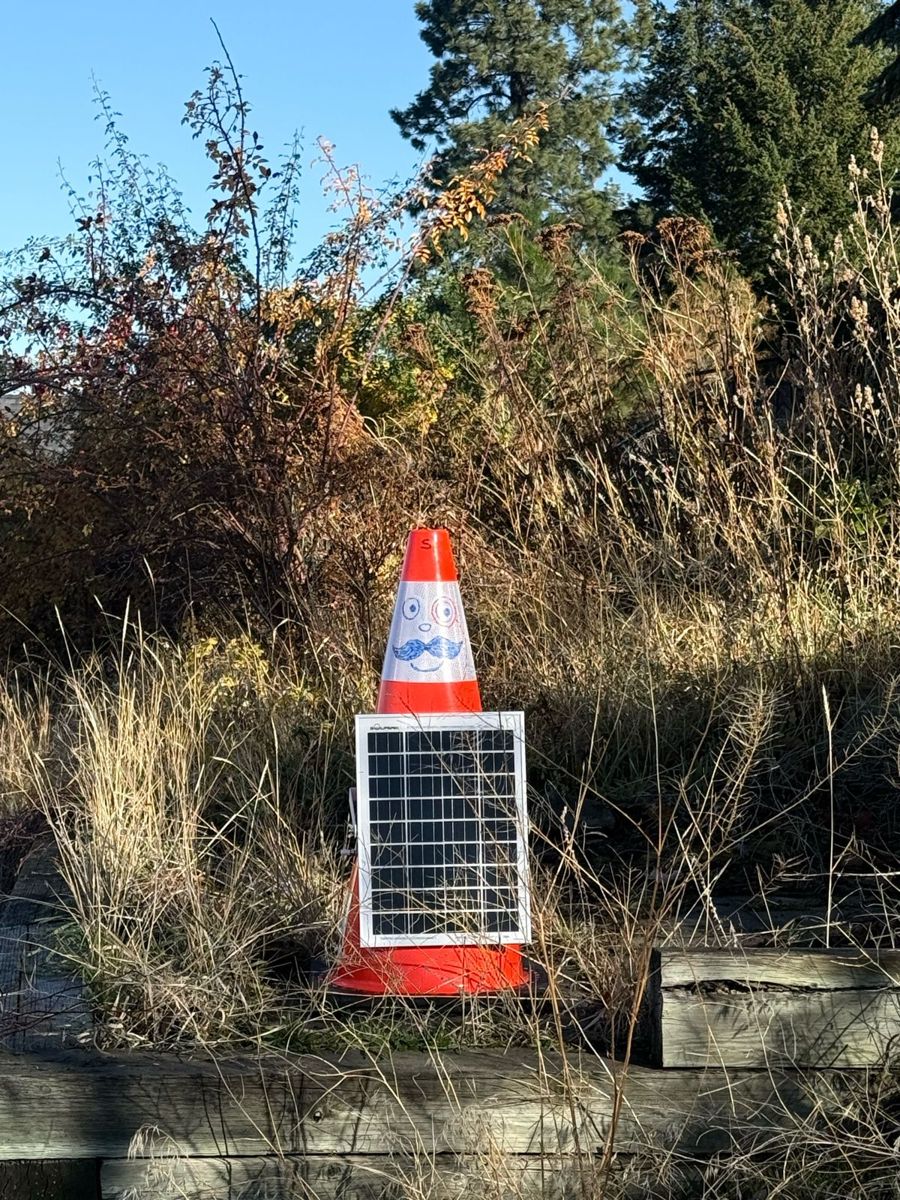
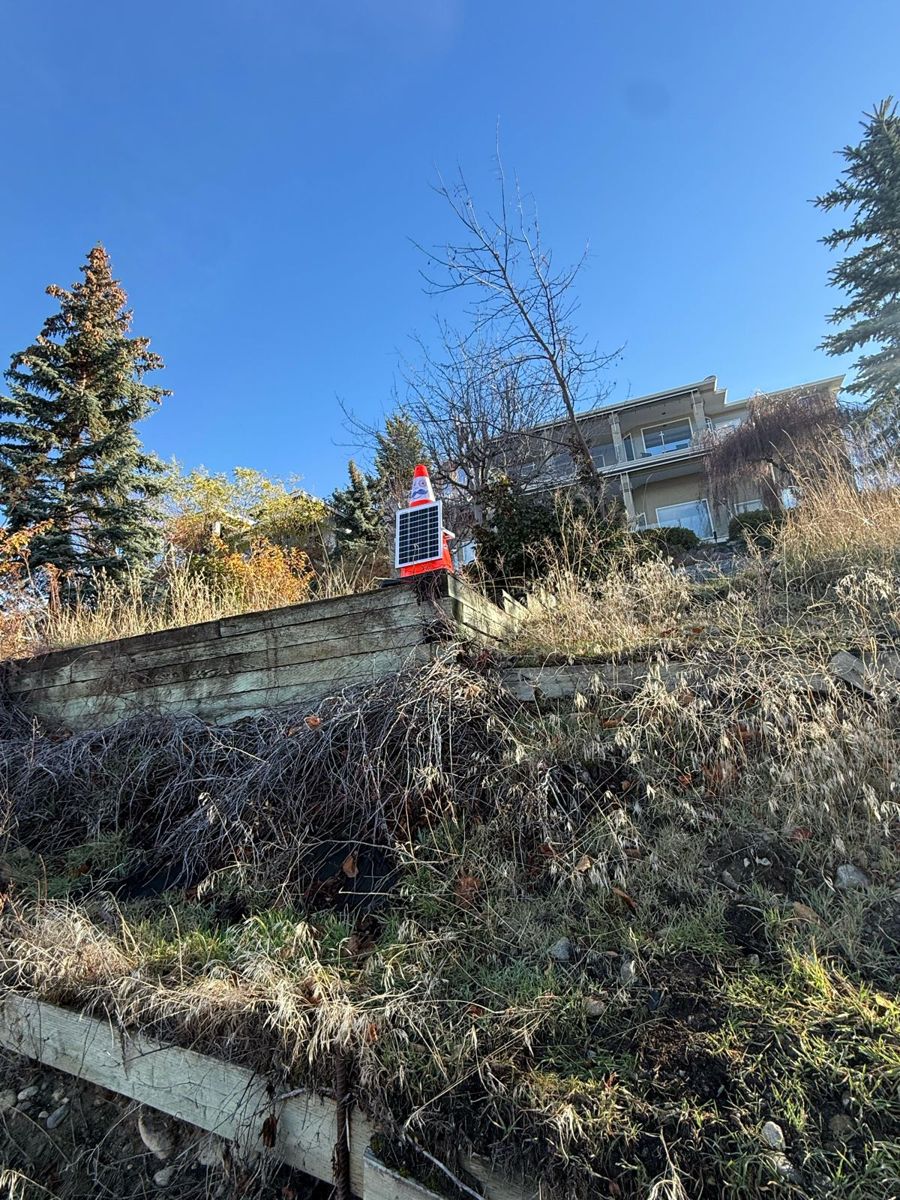
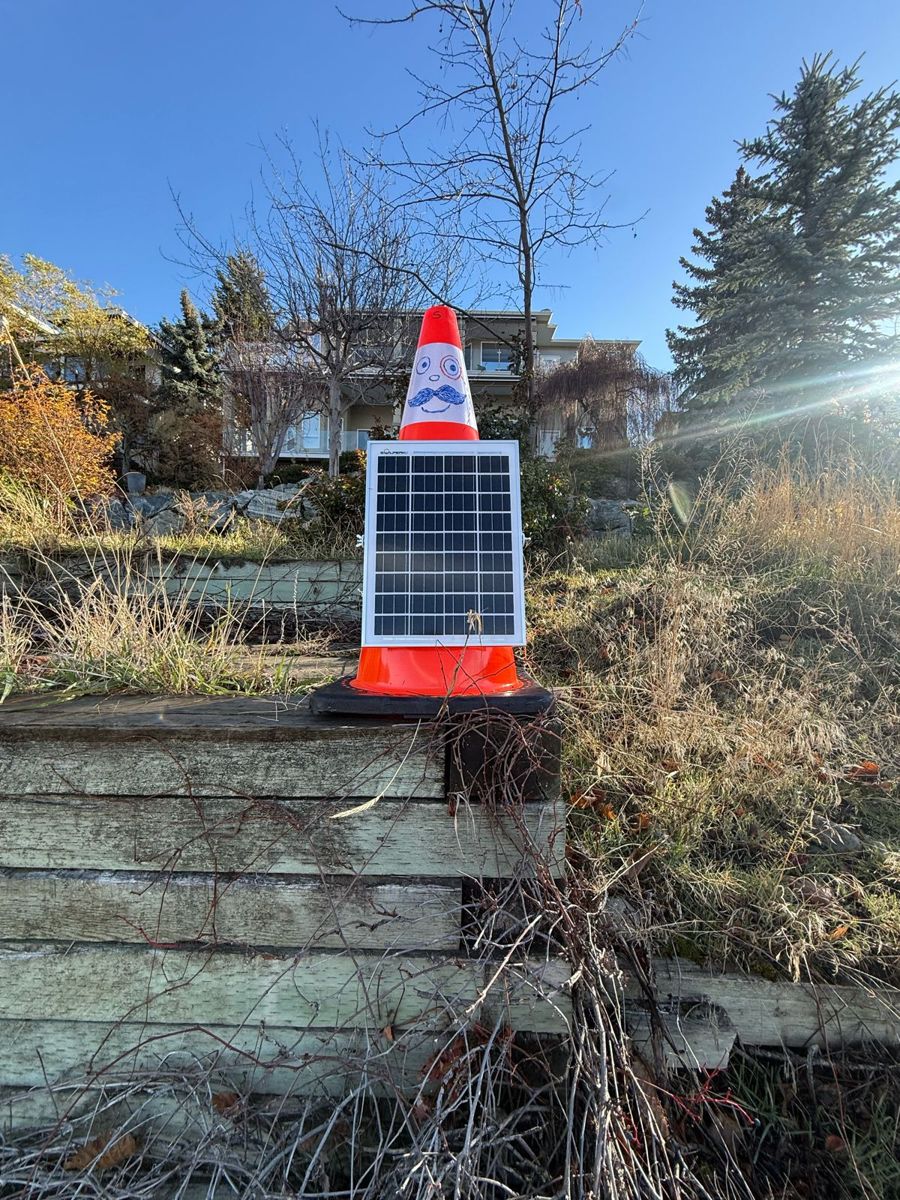
Sir Sniffs-a-Lot is watching Okanagan Hills for fire.
We mapped 75 years of Okanagan wildfires2 and designed a grid of 1,552 sensors around where people start them. In our model, it would have caught 8 of the 11 fires we tested3.
The layout is a model: locations may change as we build and test. Sensor grid: BC Wildfire Service fire records, 1950 to 2025.
Real readings from the sensors on Kelowna’s first wall, sent every 10 minutes. Nothing here is a demo.
Sir Sniffs-a-Lot is watching Okanagan Hills for fire.
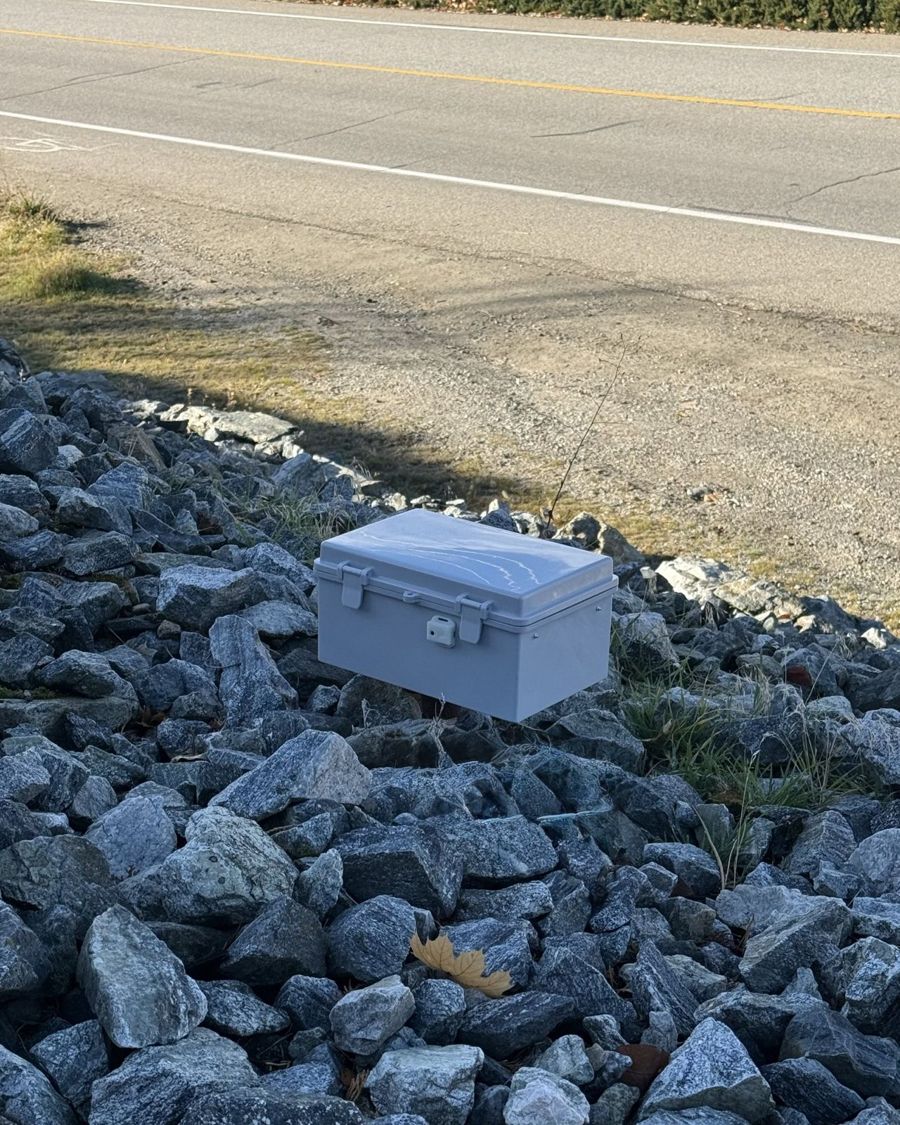
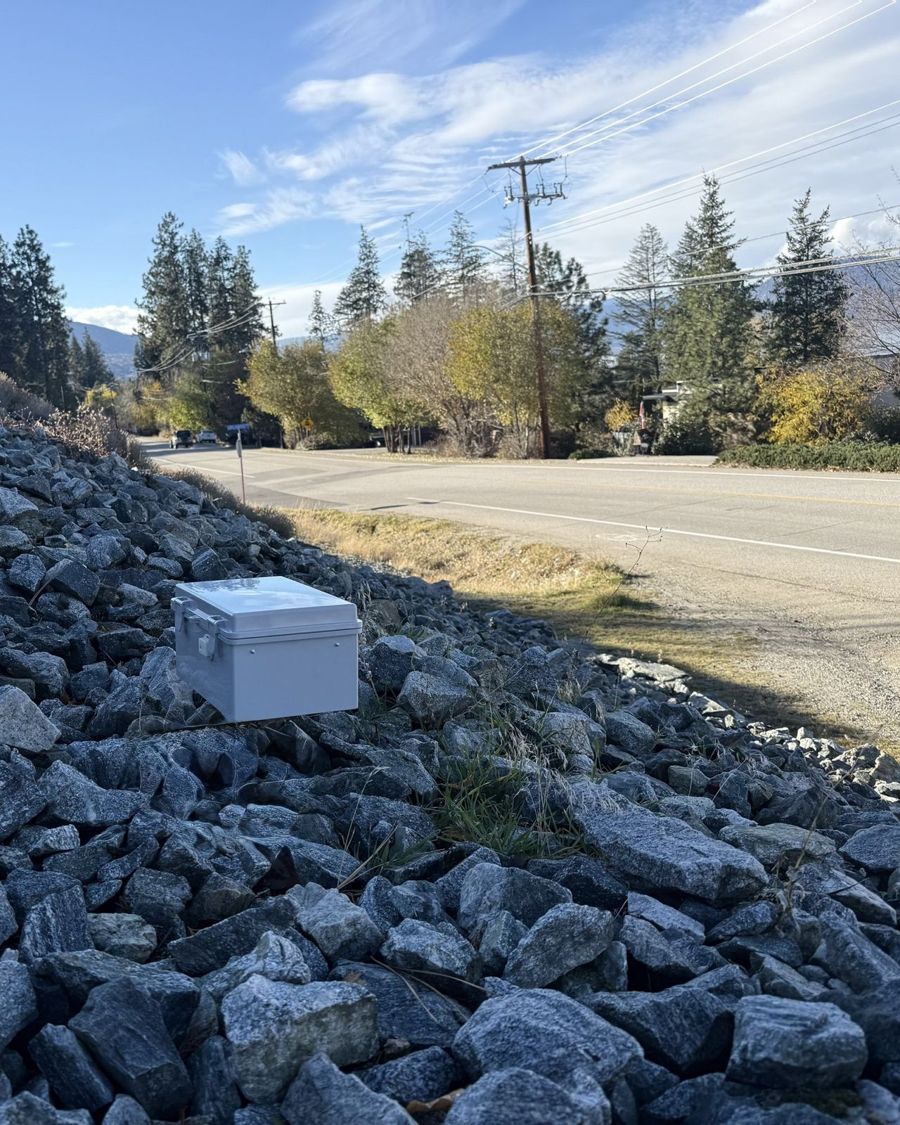
The Box is watching a road on Kelowna’s edge for fire.
While #1 and #2 keep watch outdoors, this one is waiting in Kaan & Alp’s basement for someone to put it to work. That’s why it reads a cozy 23°C.
PM2.5 is the fine smoke and dust that gets deep into lungs. Smoke from a nearby fire pushes it up within minutes, often before anyone calls it in. All sensors sit on private property, placed with the owner’s permission.
Three steps, from the first trace of smoke to the people who can act.
Alarms around the edge of town keep reading the air for smoke.
When one picks up smoke, it sends the reading to the hive, our platform that watches every alarm at once.
The hive alerts the people on watch: neighbours, volunteers and, as we grow, the local fire department. They check it, call it in and act while the fire is still small.

Wildfire Alarm started in Kelowna, BC, after the 2023 fire season, when high school student Kaan Oytac asked: every house has a smoke alarm, so where is the smoke alarm for a town? The first test was a portable pizza oven in a driveway. The smoke readings jumped. It worked. Today co-founders Kaan Oytac and Alp Topcu lead the project.
Kelowna first. Every reading teaches the model something. Once it works here, we take it to the next town, and the next.
Our designs, code and sensor readings are free on GitHub. Anyone can use them or make them better.
Satellites, cameras and 911 calls all need a fire big enough to see. A sensor at the edge of town reads the air where the smoke starts. Here’s how.
Your ceiling alarm never sees the toast; it beeps when the smoke reaches it. This box does the same outdoors, with far more precision. One sensor counts smoke particles in three sizes; a second chip reads the gases a fire gives off, plus temperature and humidity. A fire moves all of these together, dust moves just one, and a small model on the board tells them apart.
It sends its alert by satellite and charges itself from the sun, so it works on a hillside with no cell signal and no power line.
How fast depends on the wind: 500 metres takes a few minutes on a summer afternoon, and about a minute in the winds that drive wildfires. The smoke also spreads and grows into a cloud as it travels. Two metres from a fire it is as wide as a doorway; 500 metres away it is a cloud about 200 metres across. So a sensor does not need to be near the fire, only inside the cloud. With one every 500 metres, the smoke reaches the nearest one first.
The first to light points to the fire; the next ones confirm it.
We replayed the 15 largest Central Okanagan fires since 2003, with a typical summer-afternoon wind from Kelowna Airport records and a sensor every 500 metres. Eleven of them started inside our study area, where the sensors would stand.3
One example: Smith Creek, 2014, was called in as a grass fire at 1:20 pm and was about 2 hectares (about 75 tennis courts) by the time the emergency centre opened4. In the model, the nearest sensor would have seen it at four and a half minutes, when it was smaller than a tennis court.
43 people are already Supporters. Every name added is what turns this into a movement.